

When people think of the first steel helmet of the First World War, they often assume it was introduced by the Germans or the British. In reality as with so many innovations during the war, it was the French Army that led the way. However things could have been very different if Joffre‘s bold prediction from 1914, when he was first presented with the idea of a steel helmet:
“we will not have the time to make them, as I will break the Boche within two months”
Despite Joffre ‘s comments this was not the first time that the French high command had been presented with the concept of steel helmets. As early as 1892 many were asking for its introduction, but it was not until 21st February 1915 that ‘helmets’ were made mandatory, despite the only helmet being available at the time being the ‘cervellière’ helmet.
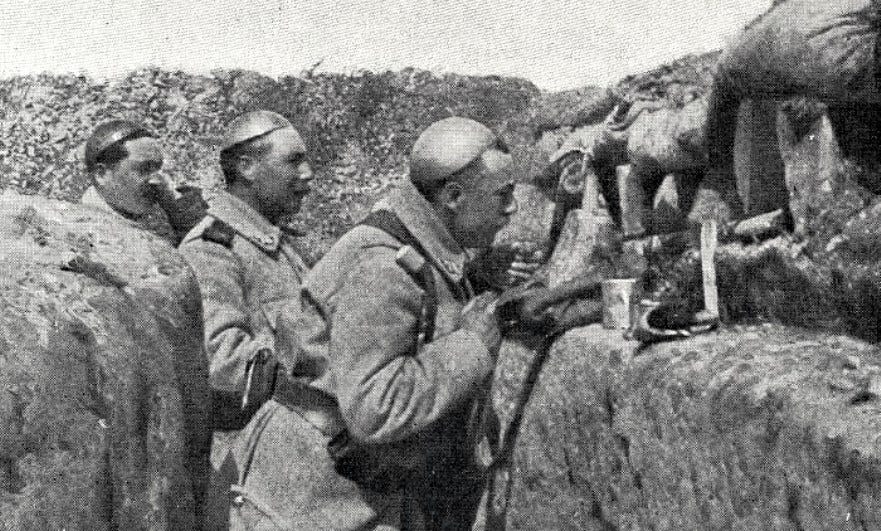
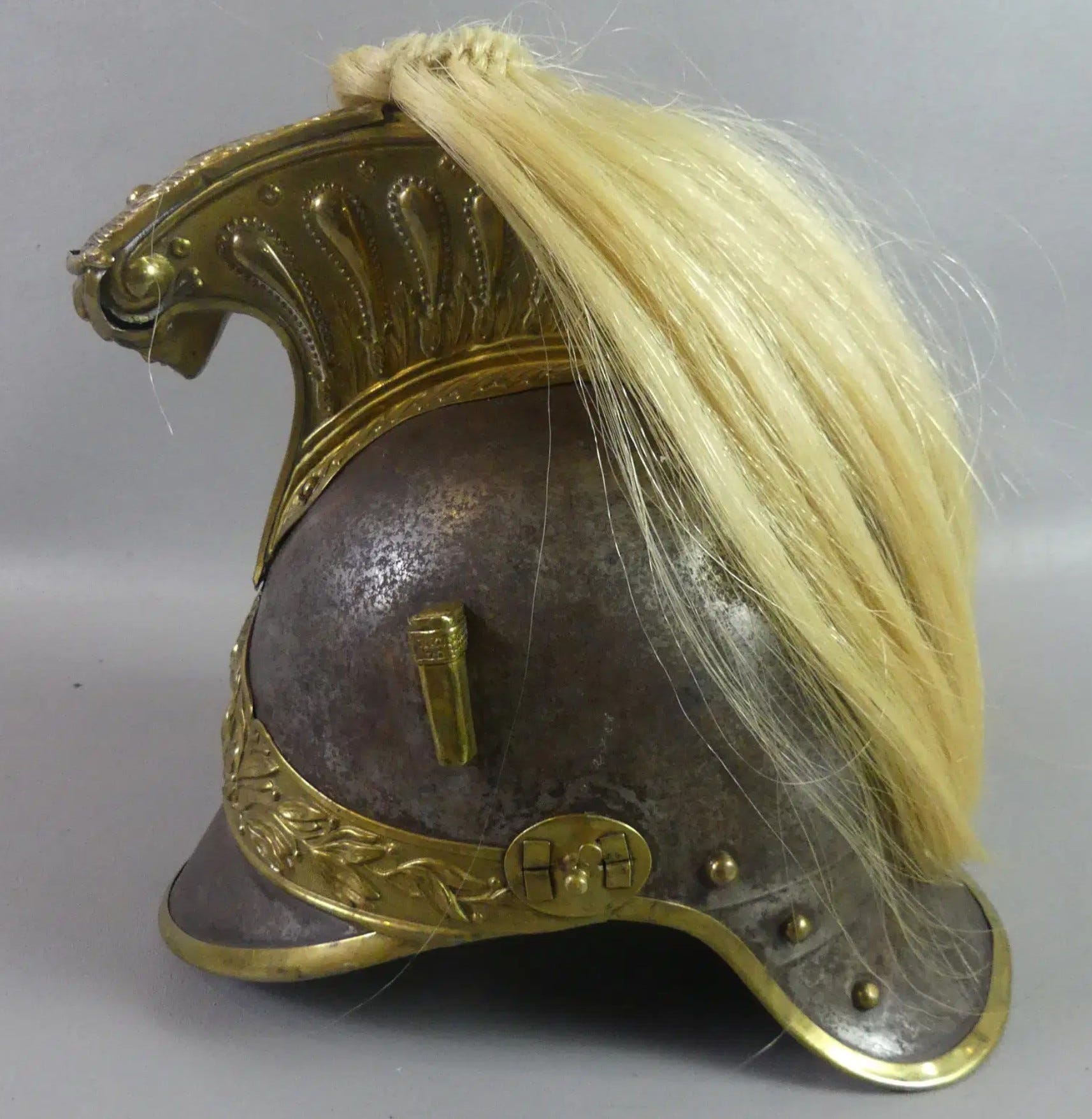
A helmet needed to be designed and produced quickly, initially Joffre was in favour of a helmet designed by Georges Scott, but it is fair to say that it was uninspiring and impractical. It was a limited evolution from a dragoon helmet already in use with dismounted cavalry, and was priced at 33-36 francs per unit. It required special steel and polishing, which made the helmet impossible to mass produce, so much so that Franck & Siraudin, the manufactures estimated that it would take several years to produce 2.7m helmets.
Then enter Louis Auguste Adrian, who could guarantee mass production and short delivery times and at a per unit cost of 3.35 francs (eventually by 1917 rose to 5 francs a unit).
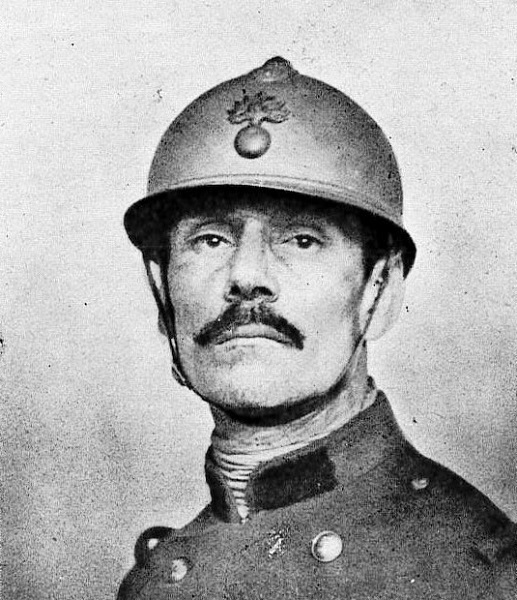
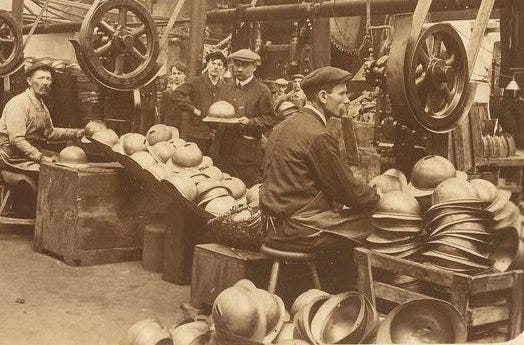
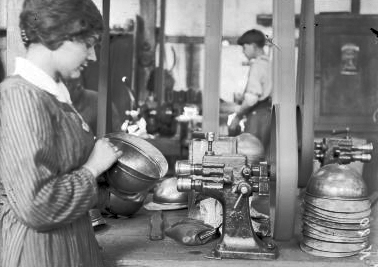
Adrian delivered the French Army M1915 Adrian, which became the first army on the Western Front to introduce a standard modern steel helmet in three standard head sizes known as size A,B or C. They were used for the first time on a large scale during the 2nd Champagne offensive of the 25th September 1915, where all regiments were equipped with the 1st variant of the Adrian helmet. Such a turnaround showed French ingenuity at its best, as the initial order was for 1.6m helmets, with production only starting at the end of May 1915, after the prototype had been presented on the 13th April 1915 and the first 30,000 delivered in July 1915. By 23rd December 1915, over 3.125 million helmets had been produced for the whole French army and by 1918, 20 million had been produced by ten different manufacturers, which was an impressive feat of production and distribution.
The 1915 Adrian model, was developed by Louis Auguste Adrian with the help of Louis Kuhn, who worked for the Japy Frères company. They drew its design and inspiration from the French firefighters helmet. The first models were painted in ‘bleu horizon’ and then sprayed with a special heat treated varnish. In hindsight this was an error, as its reflectiveness in the sunlight became a major issue, the bluish varnish made the helmet wearer an easy target to spot in the sun. After the 2nd Champagne offensive, many soldiers started covering their helmets with mud, which was against army regulation. Therefore many decided to repaint them with a duller matt artillery gun paint which was readily available, before the army introduced a fix by adding a cloth cover. These were all temporary solutions until the Mark II arrived in a less shiny colour, but these were not the only problems of the Adrian helmet.
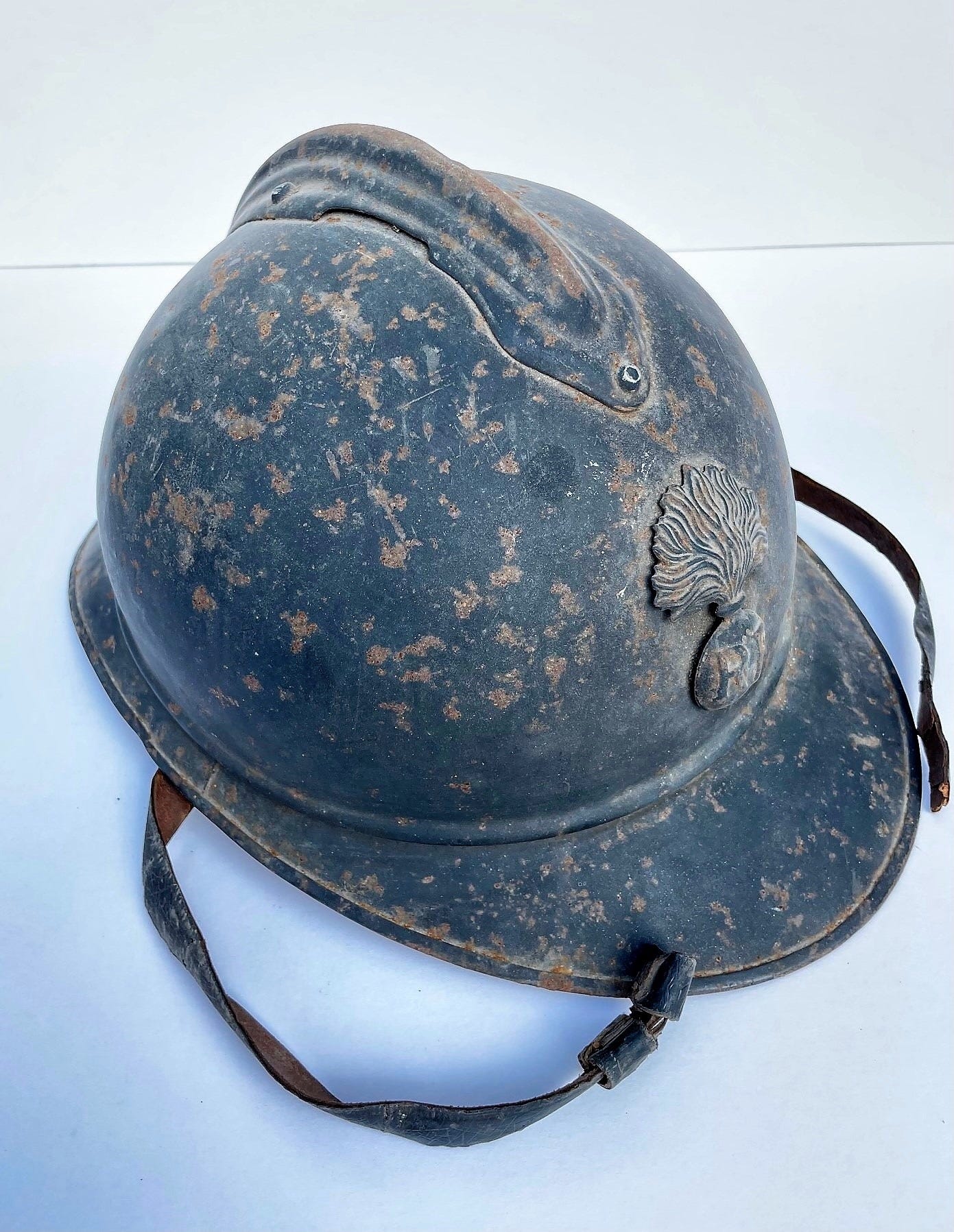
The helmet itself was simple enough to produce as it had 4 main pieces: body, visor, neck guards and crest. The inclusion of the distinctive crests, added additional time to manufacturing process, but it helped identify the soldier wearing it: a grenade for the infantry, two crossed cannons for the artillery, an anchor for the colonial infantry, a cuirass and a helmet for the engineers and a hunting horn for the ‘chasseurs alpins’. Ironically however, depending on the manufacturers, in the early models the badge slot initially weakened the overall structure of the helmet and added weight and time to the process.
What the helmet did not lack was style as it was deliberately designed with an eye to French flair and style of the time. This iconic design would forever be known as the Adrian, but the soldiers had many other names for it such as ‘pot de fleur’, ‘cloche’, ‘saladier’, ‘pot de chambre’ and ‘bourguignotte’, but during its early adoption, some soldiers were somewhat skeptical, such as Ivan Cassagnau , he wrote after first wearing it in June 1915:
“the Adrian helmets, gave us migraines when having to wear them.”
Whilst others such as Louis Plond thought it made them look German:
“We were given these helmets instead of our kepis. Bit of a mistake really, as we look like the Boche with these.”
Despite these complaints and its deficiencies in protecting against bullets and shrapnel compared to the German Stahlhelm and British Brodie designs (otherwise known as the British Mark I), which has to be noted were introduced after the Adrian. Research in recent years shows that the Adrian helmet protected soldiers’ heads from explosion shock waves, better than modern day helmets and it historical counterparts. Its introduction drastically reduced serious head wounds by 55%, its light weight nature at 750g, meant it was well suited to France’s mantra of a mobile war and was easier for soldiers to wear for extended periods.
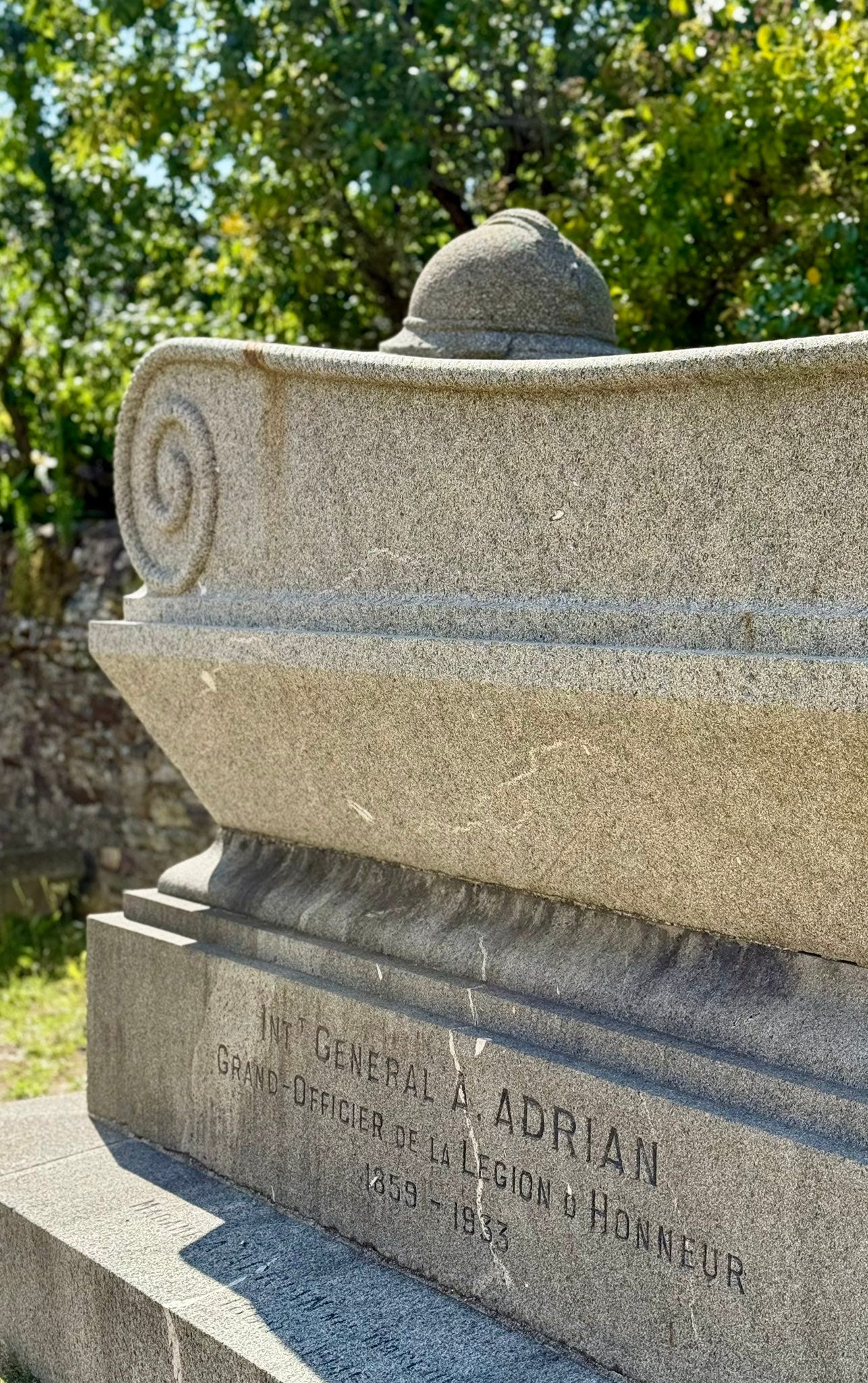
Soldiers across France would remain forever grateful to Louis Auguste Adrian. Fittingly, in the quiet village of Genêts in Normandy, the man who offered protection to so many now rests beneath a granite Adrian helmet as if the symbol that once guarded his soldiers now stands watch over him for eternity.
.