

Poilu
Poilu or the hairy one, it is a commonly used term today to describe a French soldier during the Great War, but in the English language little is know about the men beyond the Somme. Soldiers endured through habit, but also through the food they ate, the warmth they sought, and the coffee they drank at dawn. Before exploring that ritual, it is worth asking where the name poilu itself came from.
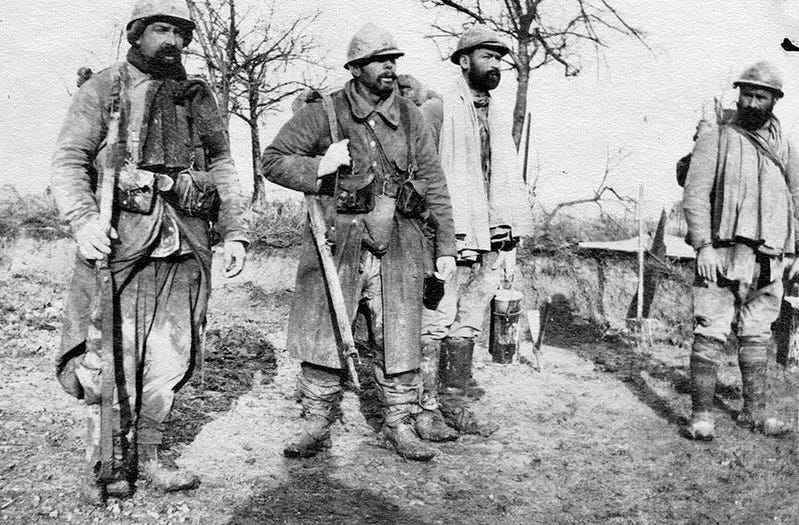
It’s hard to pinpoint where and when the term was coined, but it was well before the First World War. The clearest origins can be traced back to Napoleonic times and the ‘Grognard’ (Grenadier) who was often unshaven, with a penchant for wine. However the word Poilu comes from the word poil for hair and there has long been association between a poilu ‘a hairy one’ being linked to bravery in the French language. Such a term was first used by Molière in “les Précieuses Ridicules”, where a brave individual was described as having ‘trois poils’. The word evolved, but the association with bravery stayed and the word in many ways was perfect for the press to describe the bravery of these men, but also the agricultural and rugged look. This look was not at all surprising as 3 out every 4 infantry men in the French army were from farming backgrounds.
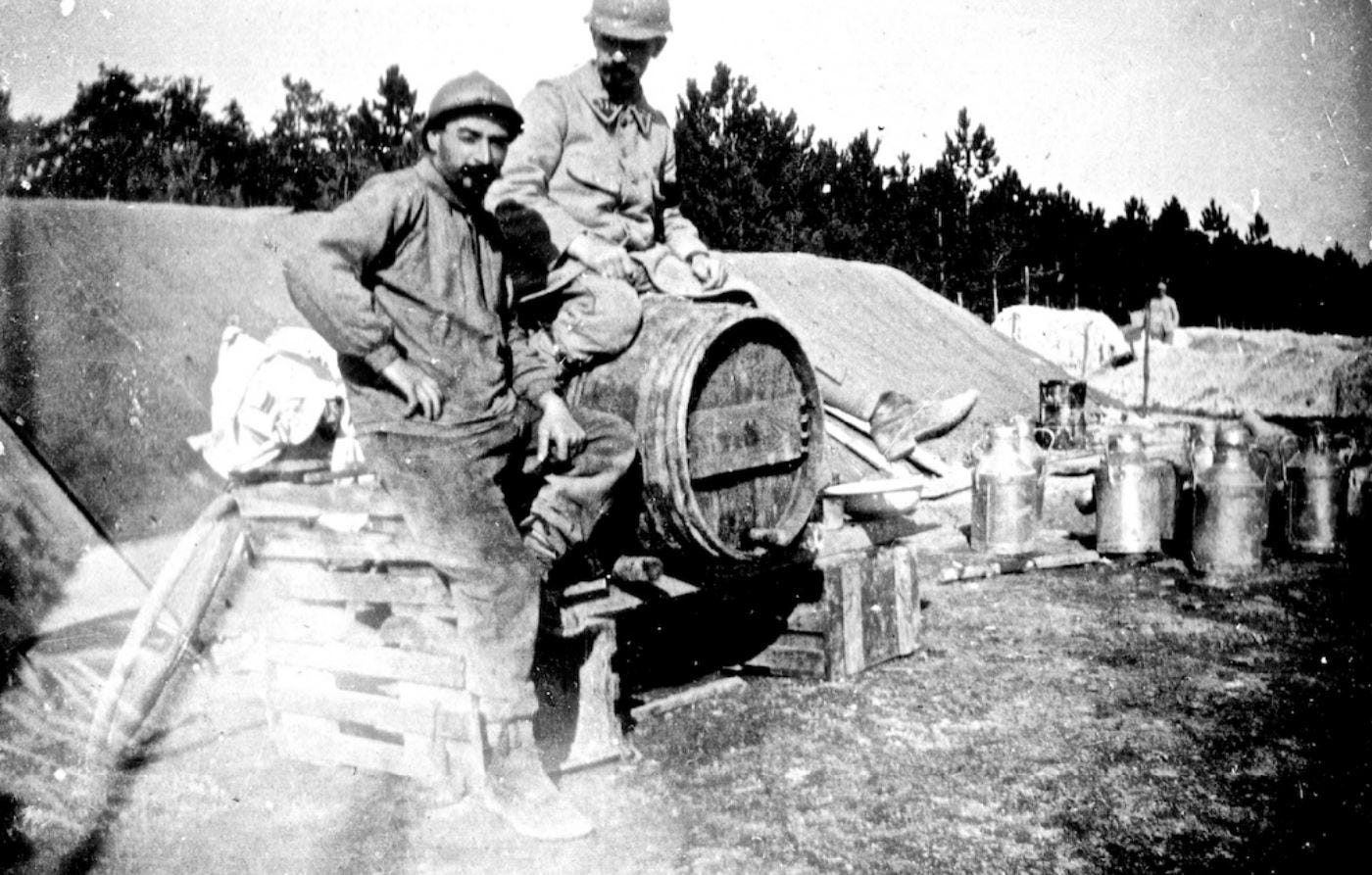
Today the word ‘poilu’ is used constantly to describe a French infantry soldier from that period, but it will surprise some, that not all soldiers were keen on the nickname. Maurice Barrès, a writer and soldier during the First World War, found that the word was disrespectful to soldiers, on to whom it was bestowed upon and was more akin to describing an animal than a human being. As David O’Mara wrote in his book ‘Serre to the river Somme’, there were many other terms used at the time:
Biffin: Rag picker (due to the French soldiers scruffy appearance),
Bleuet: young recruit
Briscard: Veteran,
Piou-Piou: Name given to young soldiers,
Pitou: Similar to Piou Piou for young looking soldiers.
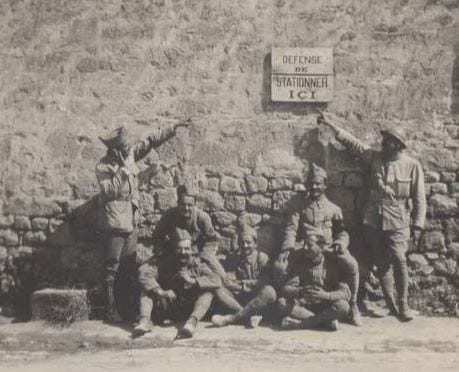
French society and the world at large used the word ‘poilu’, amongst themselves they would describe themselves as ‘les bonhommes’ the lads, or the PCDF ‘les pauvres cons du front’, the poor bastards at the front. It was not until just before my Great Grandfather mobilization that the term ‘poilu’ was elevated into everyday ‘s vocabulary by the press at the time. Despite being widely used in the press, it appears only once in my Great Grandfathers correspondence, therefore it’s unclear if he agreed with the term or held the same views on the word as Maurice Barrès.
Coffee
If the term poilu captured how French society viewed its soldiers, daily habits reveal how the men themselves endured the war. Of all these routines, coffee stood apart not as a comfort, but as a necessity.
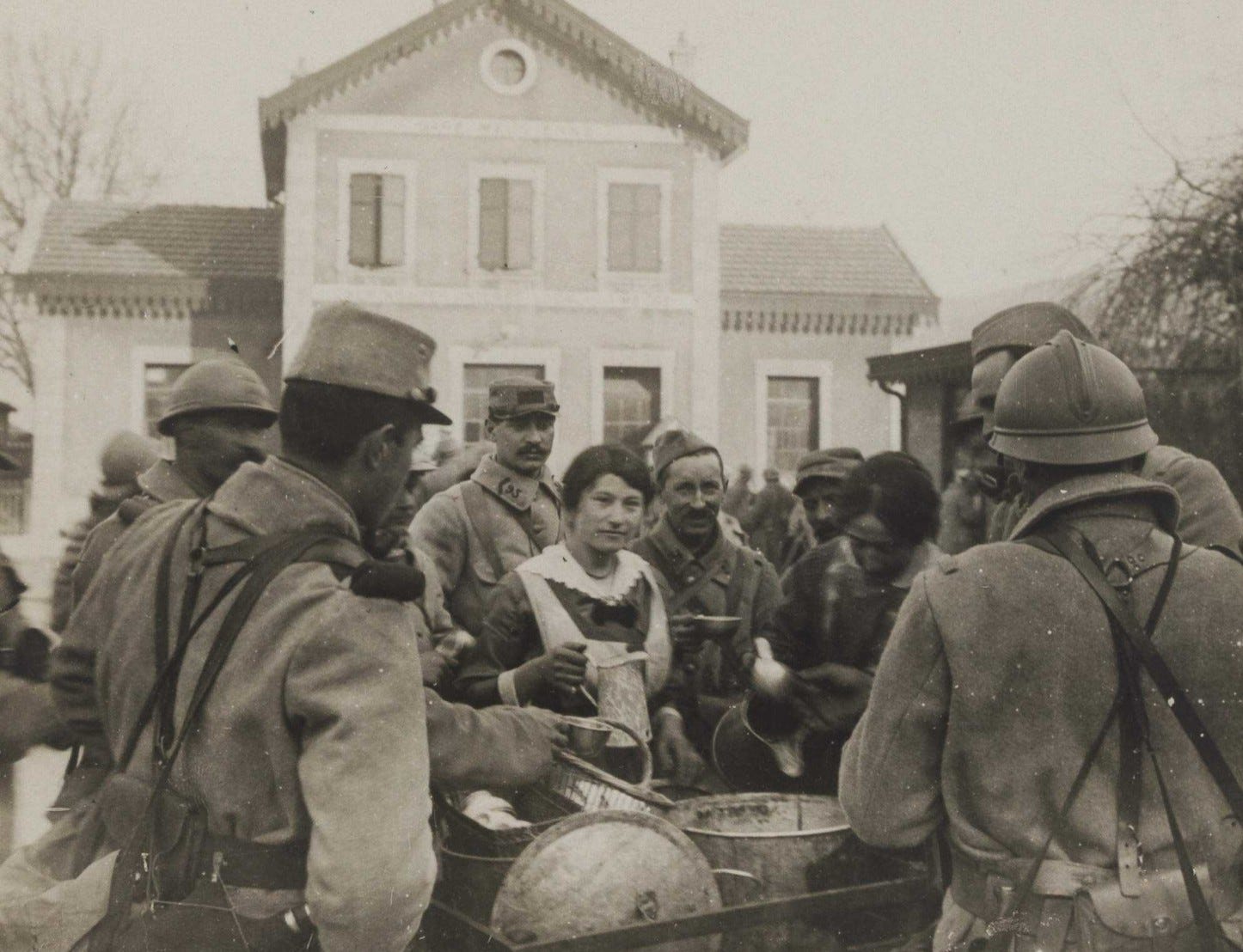
Coffee was not a luxury for the poilu; it was a necessity. Issued officially as part of the daily ration. Drinking coffee is very much embedded in French culture. It is part of the daily ritual before going to work or a social event with friends catching up on news in front of un ‘petit noir’ or just enjoying the café experience sitting down on a ‘terrasse’ and watching the world go by.
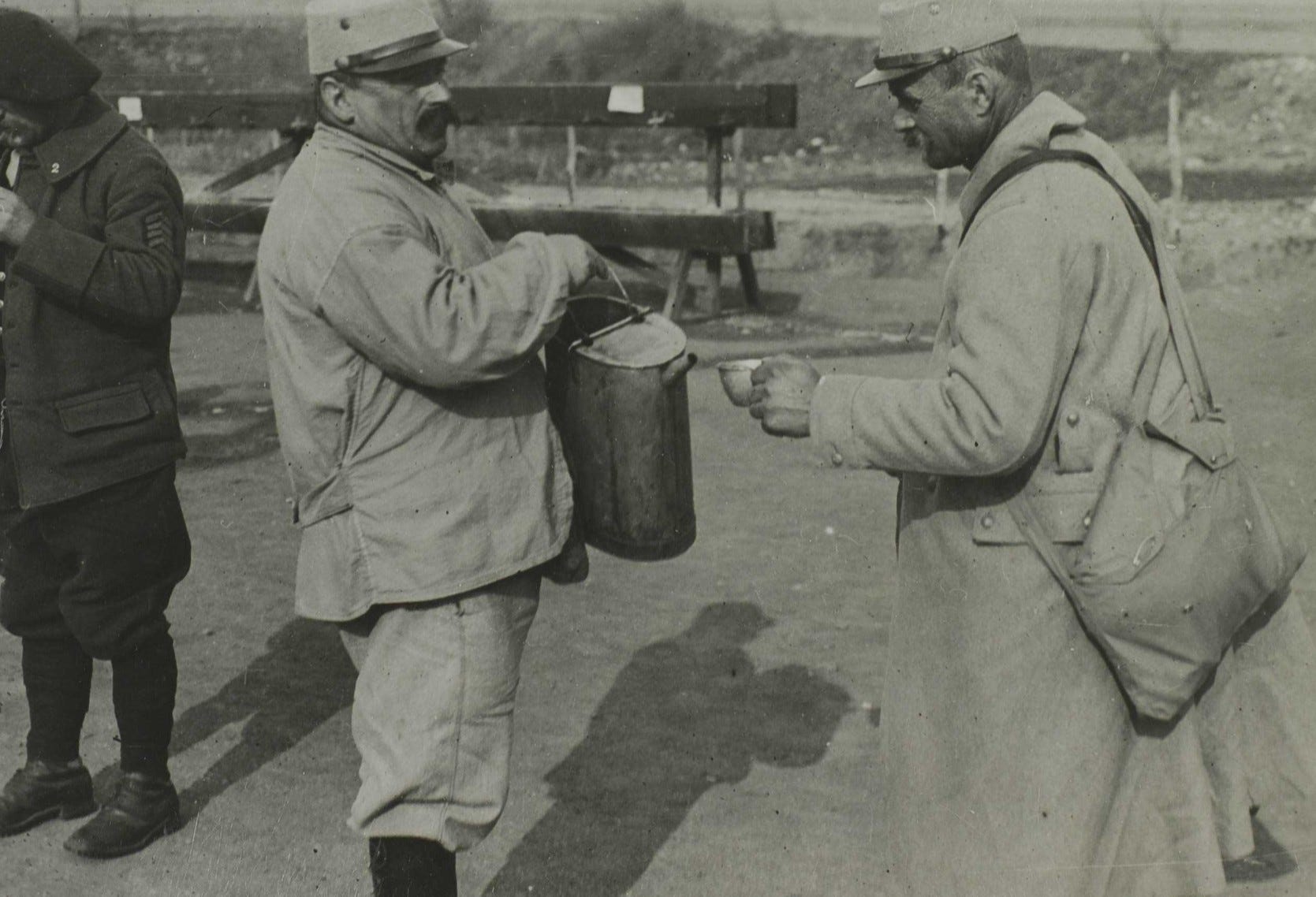
The trenches, were far removed from the French way of life, but it did not stop breakfast and the importance of coffee and outlined in an article from Le Radical, 30 November 1914
“Would it not be possible to provide our brave soldiers who keep watch through a freezing and dispiriting night, digging in the trenches with more substantial nourishment than the traditional black coffee?
A reader, whose son is at the front, submits his concerns to us.
‘A little coffee,’ he tells us, ‘after such a night, is very little to sustain one until eleven o’clock in the morning.‘And yet it would be quite simple, with granulated chocolate, cocoa, or even plain chocolate bars, to remedy a situation that is harmful to the health of the combatants and, consequently, to national defence.’
Certainly, it is no easy matter to prepare refined breakfasts under a rain of bullets and a hurricane of machine-gun fire.”
Black coffee was called ‘jus’ in Poilu slang, often arrived lukewarm or cold and was often described as being as sweet as juice. Coffee, deeply embedded in French daily life, was no less important at the front. In civilian life it framed the morning routine, shared over a petit noir at a café or on a terrasse. In the trenches, that ritual was reduced to its barest form. Coffee was known as jus in poilu slang, a term still used today, though now more commonly associated with fruit juice. During the war, however, jus referred almost exclusively to coffee.
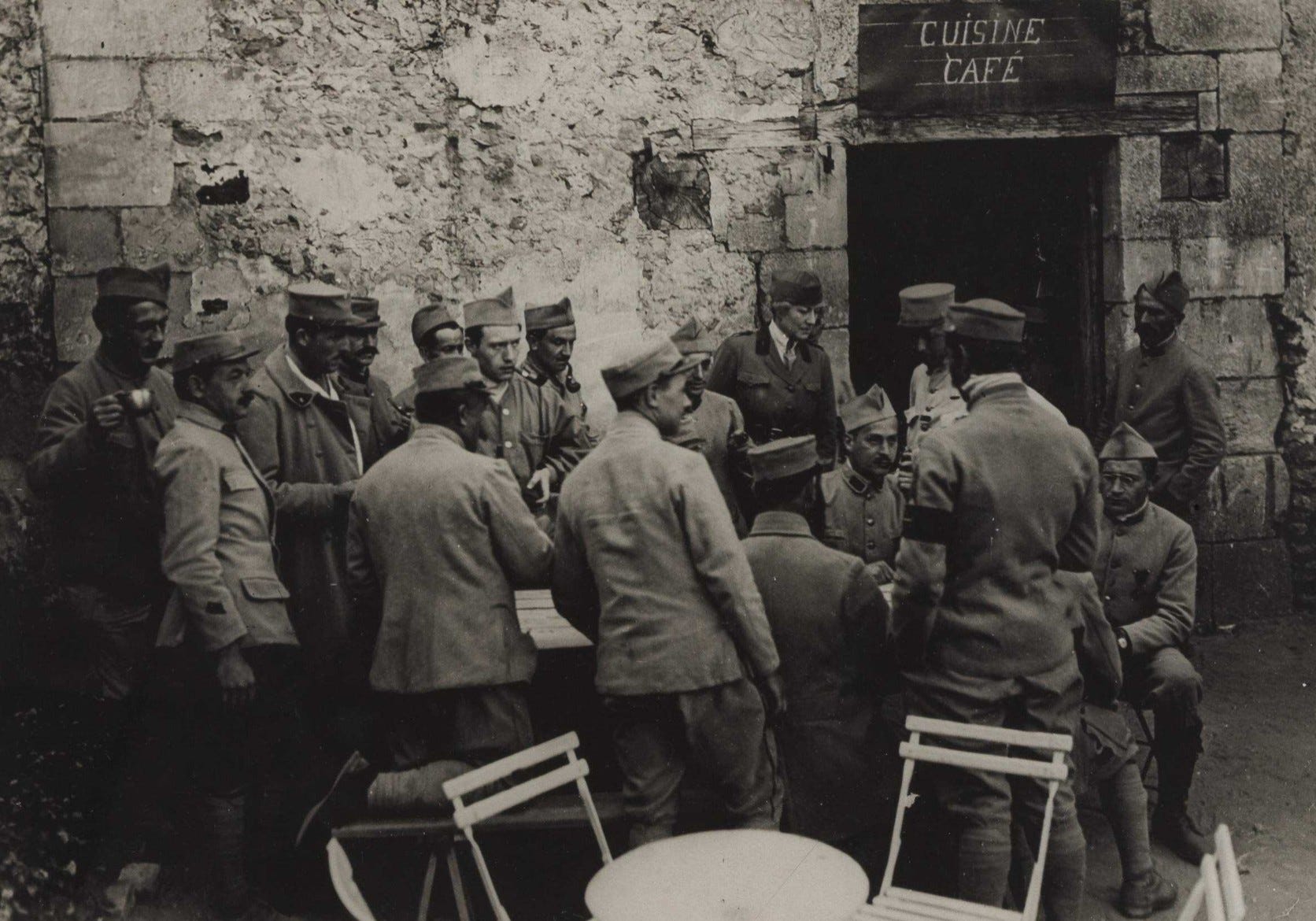
The name was not affectionate. Coffee often arrived at the front lines lukewarm or cold and was frequently described as being as sweet as juice. Yet despite its poor quality, it was eagerly welcomed, especially after long nights spent on watch. For the poilu, coffee marked the transition from darkness to day. Soldiers went to great lengths to improve what they were given, with many carried their own coffee grinders moulins à café in their packs. Even so, making drinkable coffee remained an uphill struggle. As Laurent Pansa recalled:
“we prepared the coffee without having anything to filter it, so we had to make do with what we had, which was my cotton hat, which I had been wearing for 8 days….”
Others such as Urbain Caillau decided that the best way was to use old tins and pierce holes in them with his ‘Rosalie’ (bayonet) to create a basic filter, but the problems did not stop there, as having a sheltered area away from the elements was required, but too often the vital element, water itself was lacking. To compensate, soldiers sometimes added la goutte, a strong spirit or brandy issued in small quantities, usually in the morning and mixed with coffee, it provided warmth, lifted morale. Drinking coffee itself was a simple gesture, but a great morale boast as Henri Laporte noted:
“A hot coffee did a lot of good for our stomachs, who through the lack of food, were having a challenging time! In the morning there was an impatience from the sentries to get hold of their warm morning coffee. The soldiers’ faces were a sight to be seen, when in the morning the man with the warm coffee arrived.”
Coffee was imperfect and often disappointing and sometimes resented, like the word Poilu, but it was essential to a soldiers daily routine. Together, they reveal something essential about life at the front and how 110 years later both words are now ingrained in society, from the use of the term Poilu and the coffee mad culture of the 21st Century.